
Foundations Built for Structural Integrity
New Home Foundations and ADU Foundations in Bakersfield for residential construction requiring code-compliant structural support
S & L Concrete LLC builds concrete foundations for new homes and accessory dwelling units using accurate layout techniques that account for local soil conditions throughout Bakersfield. You need this service when starting new residential construction, adding a detached ADU to an existing property, or expanding living space with a permanent structure. The foundation determines how well the building resists settlement, moisture intrusion, and structural shifting over decades of use.
The process begins with site evaluation to identify soil composition and drainage patterns, followed by precise layout that positions footings and stem walls according to structural load requirements and local building codes. Reinforcement placement and concrete mix specifications are adjusted based on soil stability, groundwater levels, and seismic considerations specific to the Central Valley region.
Request a site evaluation to review soil conditions and foundation requirements for your project.
What Proper Foundation Construction Requires
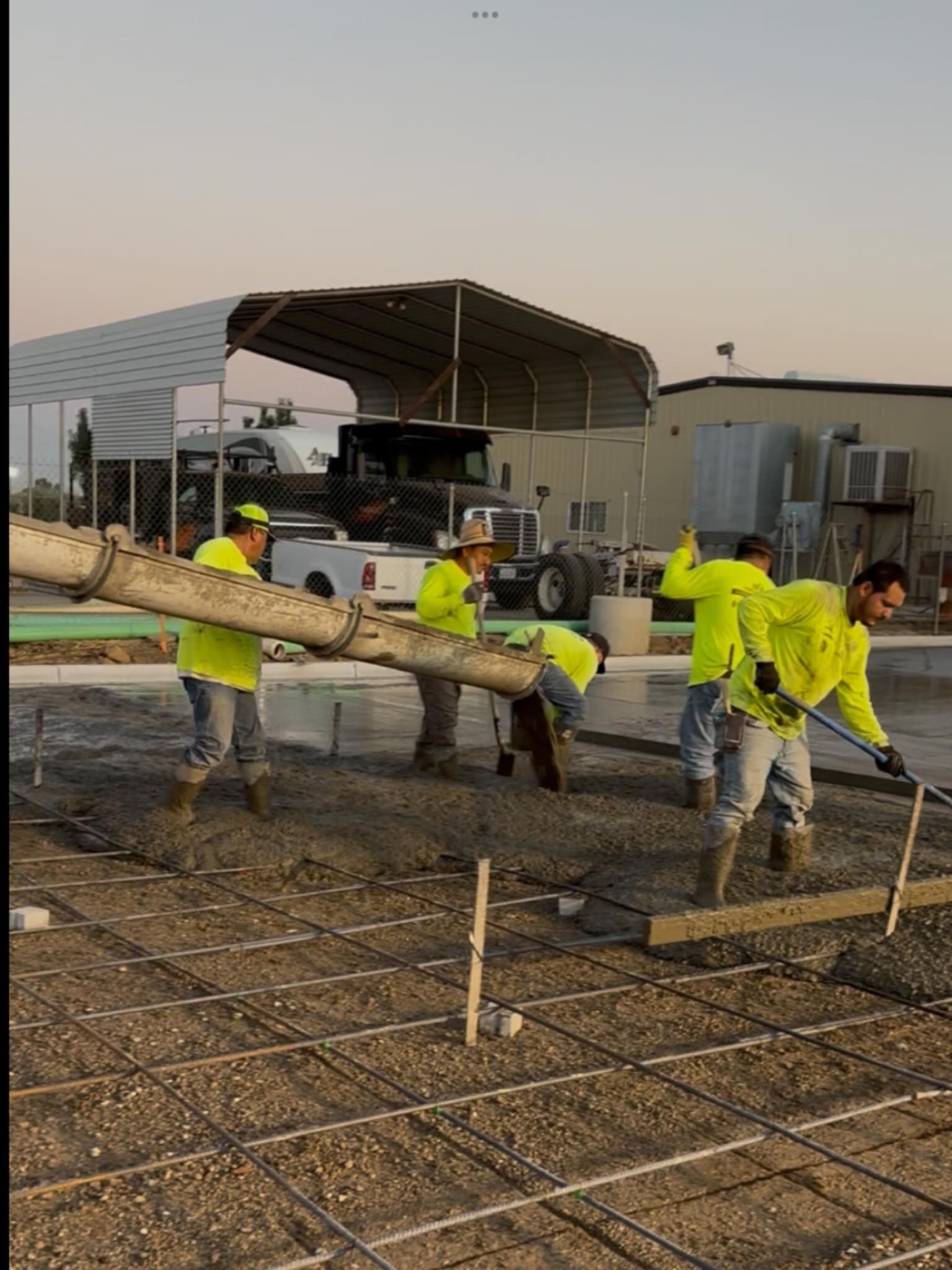
Foundation work for new construction involves excavation to stable bearing soil, compacted aggregate base installation, rebar grid placement for structural reinforcement, and formed pours that create continuous footings and walls. The layout must align precisely with building plans because even small positioning errors affect framing, plumbing rough-ins, and final square footage.
After the concrete cures and forms are removed, you see level surfaces ready for framing, anchor bolts positioned exactly where structural posts will attach, and perimeter walls that resist lateral soil pressure without cracking or bowing. The foundation remains stable through seasonal temperature swings and soil moisture changes common in Bakersfield's climate.
ADU foundations follow the same structural standards as primary residences but often require tighter site access planning and coordination with existing utilities. Builders and homeowners both rely on accurate elevation control to prevent drainage issues and ensure the new structure integrates properly with surrounding grade levels.
What Builders Usually Ask
These questions address the foundation details that affect construction timelines and long-term building performance.
What soil testing is required before foundation layout begins?
Soil bearing capacity testing identifies whether native soil can support the planned structure or if engineered fill and deeper footings are necessary, particularly in areas of Bakersfield with expansive clay soils.
How does rebar placement affect foundation strength?
Reinforcement grids are positioned to resist tensile stress from soil movement and building loads, with specific spacing and overlap requirements defined by structural engineering and local code.
When should foundation work be scheduled relative to other site preparation?
Foundations are poured after utility trenching and compacted backfill are complete but before any framing materials arrive on site.
What causes foundations to crack after construction?
Cracks typically result from inadequate soil compaction, improper curing during hot weather, or insufficient reinforcement for the soil type and building load.
How is the foundation elevation verified during layout?
Laser levels and grade stakes ensure the top of the foundation matches the finished floor elevation specified in building plans, accounting for slab thickness and any planned floor coverings.
S & L Concrete LLC coordinates foundation construction with builders, engineers, and inspectors to meet structural specifications and project schedules. Arrange an on-site consultation to review foundation options based on your building plans and soil conditions.